Skincare · 5 min read
How to layer serums without overwhelming your skin
A simple sequence, a careful introduction and a clear distinction between an at-home product test and medical patch testing.
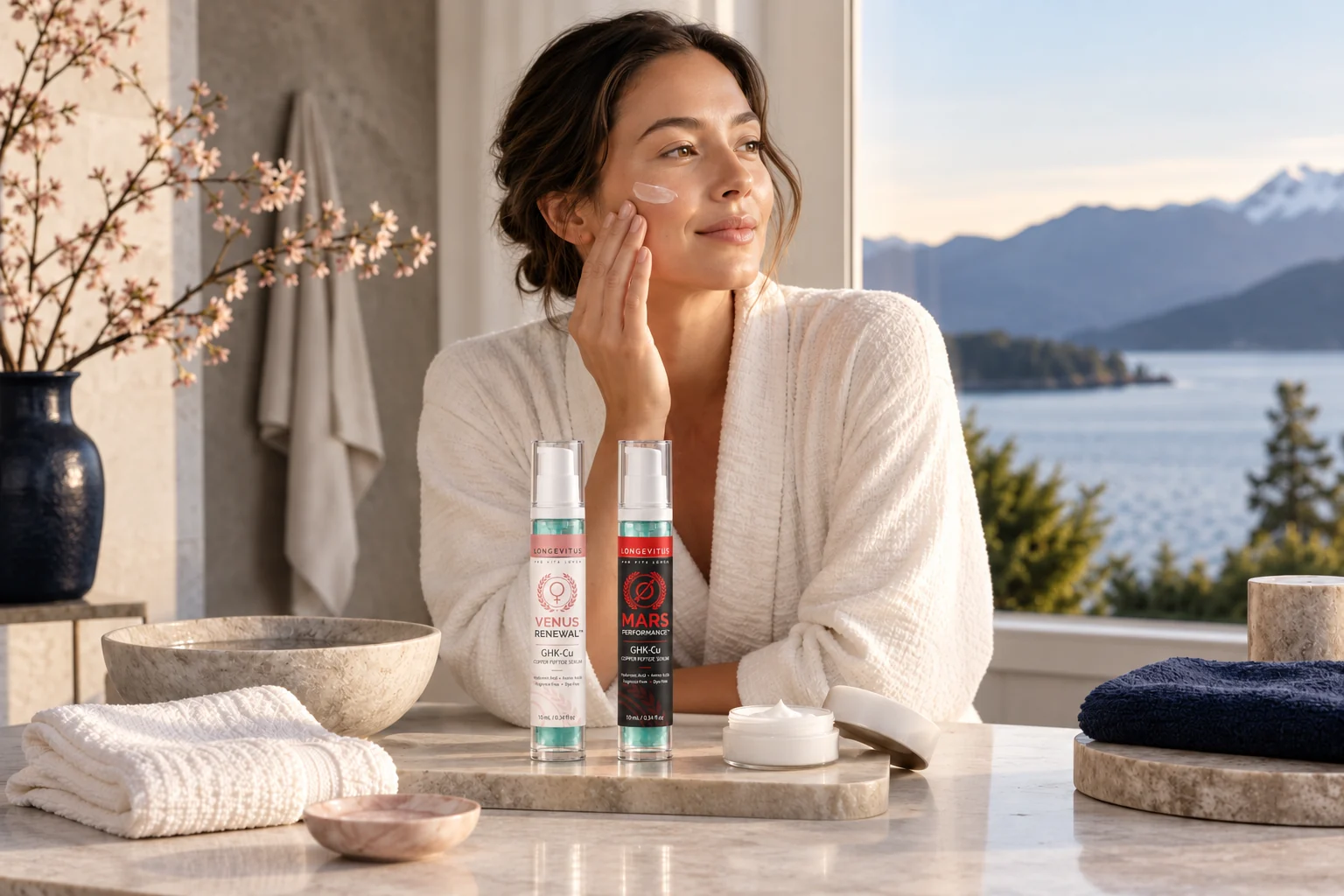
For a straightforward routine, begin with gentle cleansing, apply your treatment or serum according to its directions, then use moisturizer and daytime sun protection. The order matters, but adding more layers is not automatically helpful.
The American Academy of Dermatology places treatments after cleansing and before moisturizer or sunscreen. Prescription instructions and the specific product label may change what is appropriate for you. AAD product-order guidance.
The easiest routine to understand is also the easiest one to assess. If your skin becomes uncomfortable after adding three products together, a perfectly arranged sequence will not tell you which product caused the problem.
Start with the product's own directions
“Serum” describes a product format rather than one universal formula. Two serums can have different ingredients and different application instructions. Read the label before deciding how much to use, where to apply it and how often.
For a cosmetic serum with instructions that fit the basic sequence, your routine might be cleanser, one serum, moisturizer, then sunscreen in the morning. In the evening, the sunscreen step is unnecessary unless your exposure or circumstances call for it. If you use a prescribed treatment, follow your clinician's plan.
Avoid mixing several products together in your palm to simplify the steps. You lose the ability to apply each as directed and to understand the amount used. A carefully chosen routine does not need a recipe invented from unrelated bottles.
You do not need to solve every combination at once
Online ingredient charts can suggest that every pair has a definitive rule. In reality, a combination depends on complete formulations, instructions and personal tolerance. An ingredient name alone does not establish whether two particular products should be used together.
If you cannot confirm directions for the products you own, keep the routine simple and ask the manufacturer or a clinician for specific advice. Separate questions about irritation from questions about a product's stability or effectiveness; they are not interchangeable.
A serum is also not sunscreen. Keep sun protection as its own step or use an appropriate sunscreen-containing product according to its label. For the wider purpose of the routine, see what actually works for skin aging.
Test a new product on a small area first
The AAD recommends a small-area product test before adding a new cosmetic to your routine. Its current product-testing guide suggests applying the normal amount to a suitable small spot, such as the inner arm or elbow bend, twice daily for seven to ten days. Leave it on or rinse it off as the product instructions require. If redness, itching or swelling appears, wash it off and stop using it. AAD guide to testing skincare products.
This is a useful screening step, not a guarantee that your face will never react. Product directions still take priority; if a label restricts frequency or application areas, follow it and seek advice rather than deliberately exceeding it for a test.
Introduce one new product at a time after that initial check. Record its name and start date. A short note about comfort is more useful than a complicated chart that you never maintain.
At-home testing and medical patch testing are different
A dermatologist's patch testing is a medical process used to investigate allergic contact dermatitis. It involves selected substances applied under patches and assessed at planned times. Trying a new serum on your arm does not diagnose an allergy or identify which ingredient caused a reaction. AAD explanation of medical patch testing.
If reactions keep returning, or if a rash is severe, ask a qualified clinician rather than repeatedly testing more products. A photograph and a record of what you used may help that conversation. Do not assume that discomfort is proof a product is “working.”
Give each change a clear purpose
Decide why you are adding a serum. Are you exploring a particular ingredient, trying a different texture or making your routine more enjoyable? Keep the rest of the routine consistent enough to understand what changes.
The AAD advises using products as directed and introducing anti-aging products cautiously. A product's evaluation period depends on its intended effect; a fixed promise of results in a few days is not a substitute for evidence. AAD guidance on using anti-aging products.
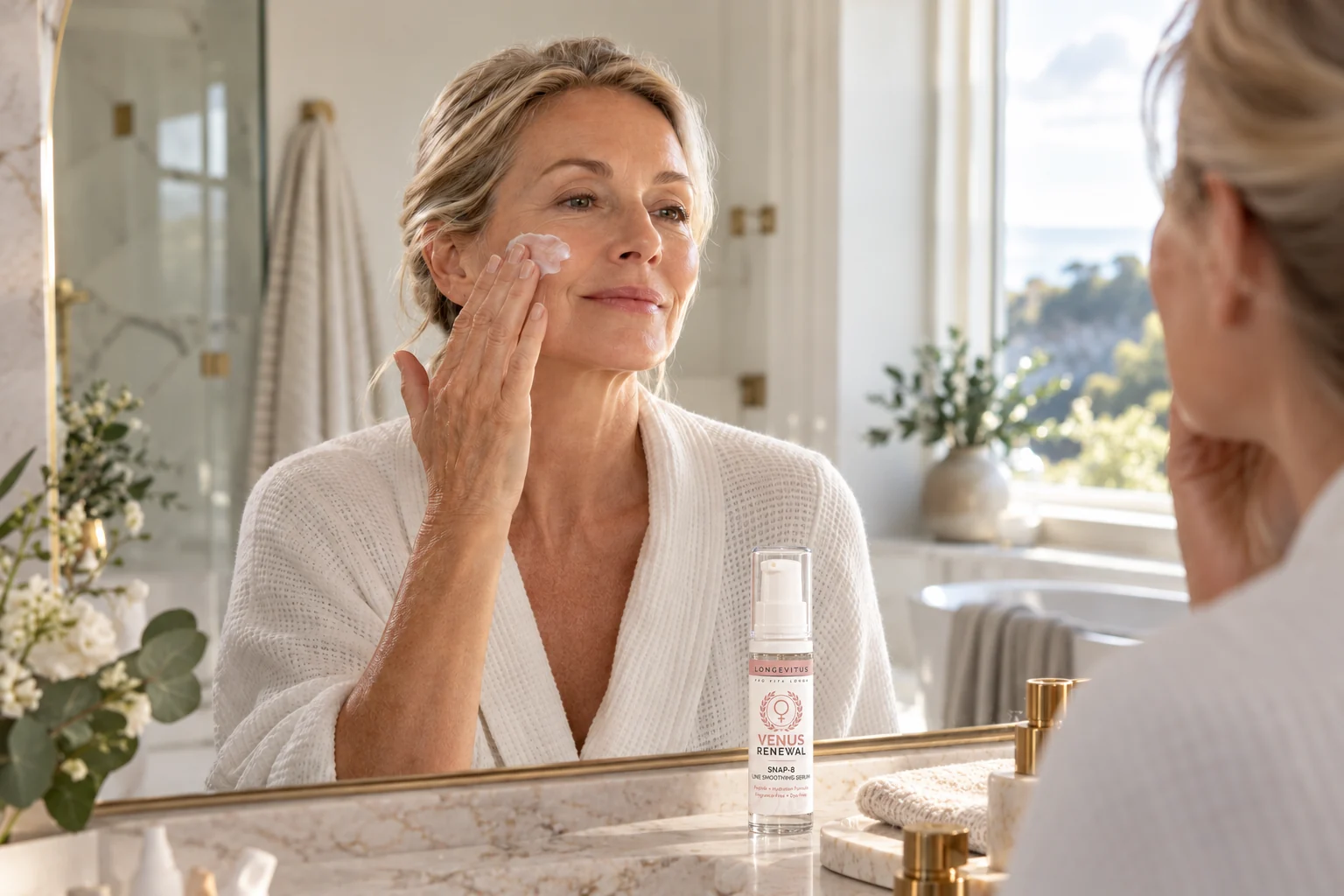
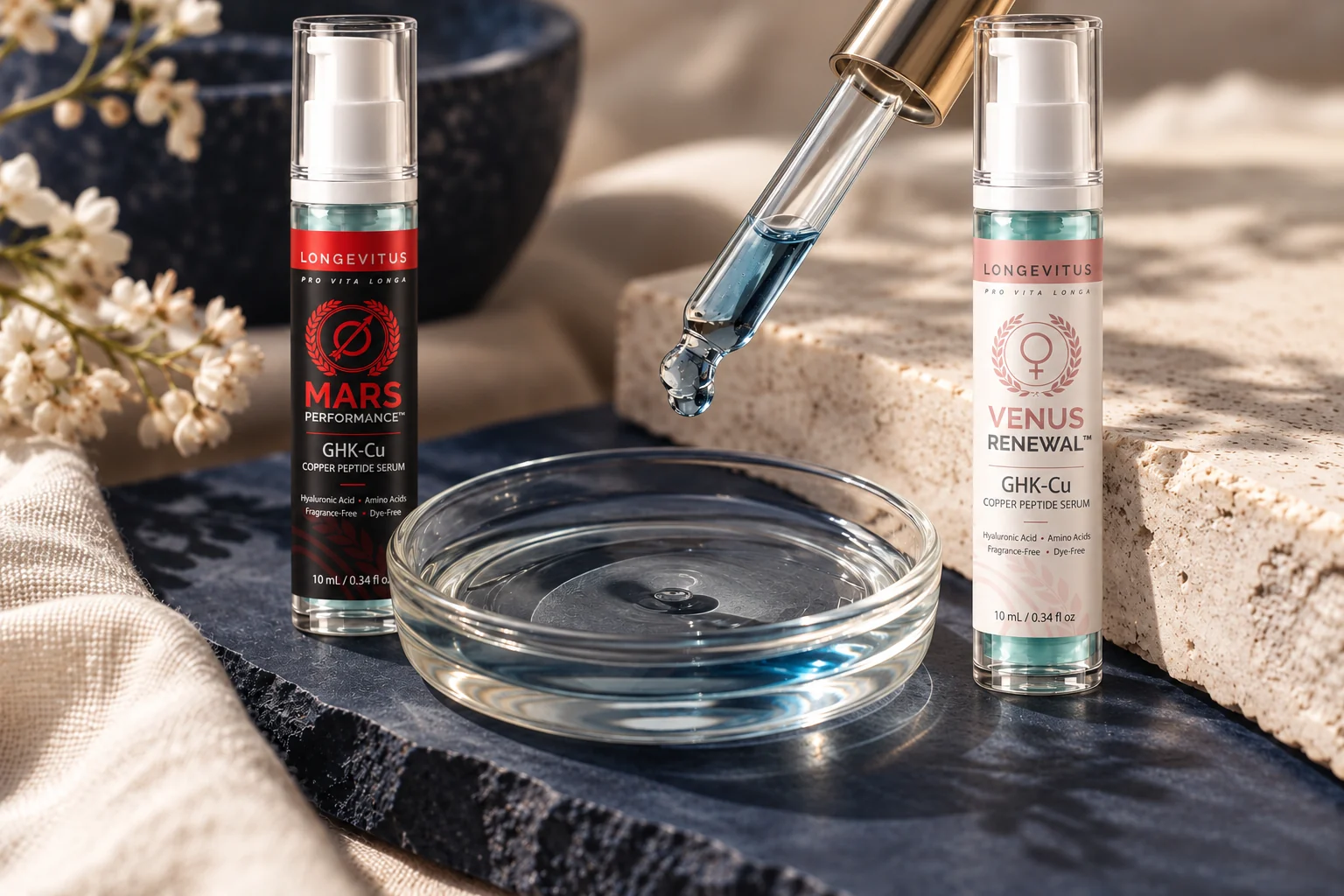
Longevitus lists VENUS Renewal GHK-Cu Serum, VENUS Renewal SNAP-8 Serum, MARS Performance GHK-Cu Serum and MARS Performance SNAP-8 Serum at $79.95 CAD each. Review each product and its packaging for its own ingredients and directions; this guide does not establish compatibility between the formulas or replace those instructions.
To understand the ingredient choices first, read GHK-Cu copper peptides explained and the evidence around SNAP-8. One considered addition, introduced with care, is easier to learn from than a routine that changes every week.
Practical questions
How long should I wait between layers?
Use any timing instructions on the labels or in your clinician's plan. This guide does not establish a universal waiting period for every serum pair. If products are difficult to apply together, simplify the routine and seek guidance for those actual formulas instead of adding several more steps.
Can I introduce two serums together?
It is harder to learn from the experience. If discomfort appears, you will not know which addition contributed. Introducing one change at a time makes your observation clearer and follows the AAD's cautious approach to adding skincare products.
Does a successful home test rule out an allergy?
No. A small-area introduction can provide useful information, but it does not diagnose or exclude an allergy. Repeated rashes belong in a conversation with a qualified clinician; medical patch testing is a different process.
Do I need the same routine every morning and evening?
Your routine can reflect the product directions, your activities and when you need sun protection. Consistency is useful for understanding a change, but it does not require identical steps at all times. Keep the purpose of each step clear and make it manageable enough to maintain.
Sources & further reading
- Should I apply my skin care products in a certain order? — AAD
General sequence; label and prescription directions take priority.
- How to test skin care products — AAD
Seven-to-ten-day small-area introduction method and reaction response.
- Patch testing can find what's causing your rash — AAD
Medical patch testing distinguished from home product testing.
- How to maximize results from anti-aging skin care products — AAD
Use as directed, avoid adding multiple products at once and allow appropriate evaluation.
- VENUS Renewal GHK-Cu Serum — Longevitus
Live product name and price checked 2026-10-02.
- VENUS Renewal SNAP-8 Serum — Longevitus
Live product name and price checked 2026-10-02.
- MARS Performance GHK-Cu Serum — Longevitus
Live product name and price checked 2026-10-02.
- MARS Performance SNAP-8 Serum — Longevitus
Live product name and price checked 2026-10-02.
This article is published by Longevitus for education. Research about an ingredient does not establish that a Longevitus product has the same effects. Product ingredients, directions and current availability belong on the product page. For personal medical or treatment questions, consult a qualified health professional.